Former Apple WWDR App Review Specialist. 13+ years designing and shipping products across iOS, Android and web. Deep fluency in Human Interface Guidelines, design systems and developer collaboration.
As an App Review Specialist on Apple's Worldwide Developer Relations team, I reviewed 600,000+ iOS apps over six years — providing direct HIG-aligned UX guidance, serving on the App Review Board, and helping rejected developers successfully resubmit through the appeals process.
Worked directly with the DoorDash team to navigate App Review, providing HIG-aligned UX guidance that helped them ship successfully on the iOS App Store.
"Navigation should be predictable and consistent with platform conventions."
"Interfaces should communicate hierarchy through typography, spacing, and color."
"People should always understand the result of their actions."
Full case study includes before/after analysis, redesign examples, and key takeaways from 600,000+ app reviews.
Read Full Case Study →This is not vibe coding. I use a structured prompting system with explicit rules, JSON-formatted prompts, guard clauses that force clarification before any execution. Less iteration, more intentional, consistent, and auditable output that holds up across sessions. The security analysis below shows how it works in practice.
4 structured prompts → full attack surface audit, interactive D3.js knowledge graph, and cloud vs. local LLM comparison. All produced in a single documented session.
"Define rules before you write a single prompt — scope, file integrity, no abstraction, stop conditions."
"JSON array tuples make intent machine-readable — guard clauses force clarification before execution."
"Every artifact is traceable back to the prompt that created it — collaboration is documented, not assumed."
Full documentation includes the AI contract, prompt-by-prompt conversation log, security knowledge graph, and cloud vs. local LLM analysis.
View Full Process →Production-ready React systems built with AI as a development partner.
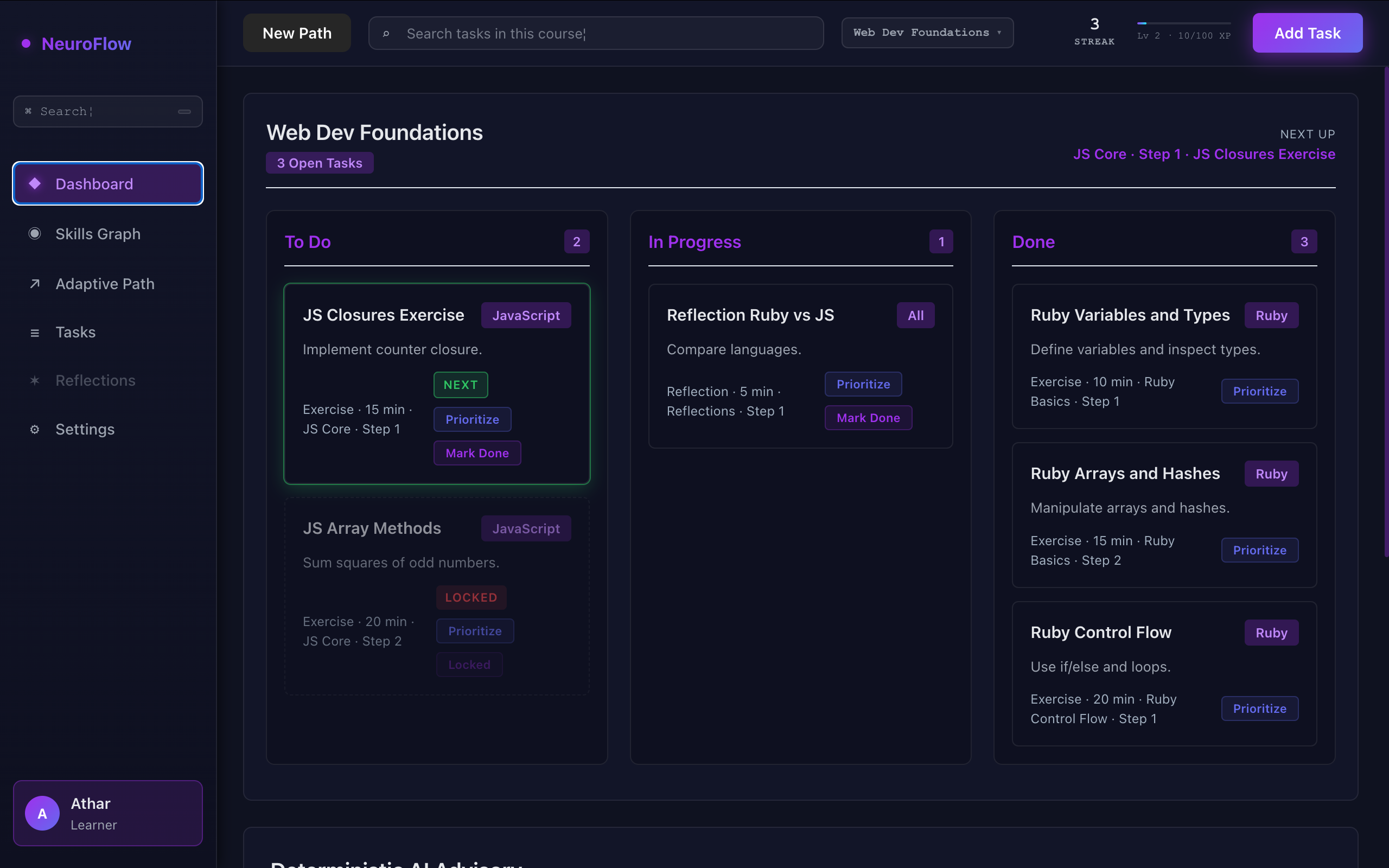
Deterministic rules + AI advisory layer for event workflow validation and front-end UI automation.
A travel orchestration layer with visible reasoning, alternatives, and adaptive recommendations.
Designing an AI-powered coordination system that manages travel, logistics, vendors, and staffing for enterprise teams running global pop-up events. The system orchestrates real-time decision making across multiple agents to streamline complex event operations.
Full case study covers the system architecture, AI orchestration model, logistics automation, and design approach for managing complex global events.
Read Full Case Study →Foundation work in user experience, interface design, and product strategy.
Tools and methodologies for creating exceptional user experiences.
Always interested in new projects, collaborations, and opportunities.
Based in Berlin. Available for full-time, contract, and freelance work.